Indigenous Health, Healing and Wellness Lab
Meet the Team
-
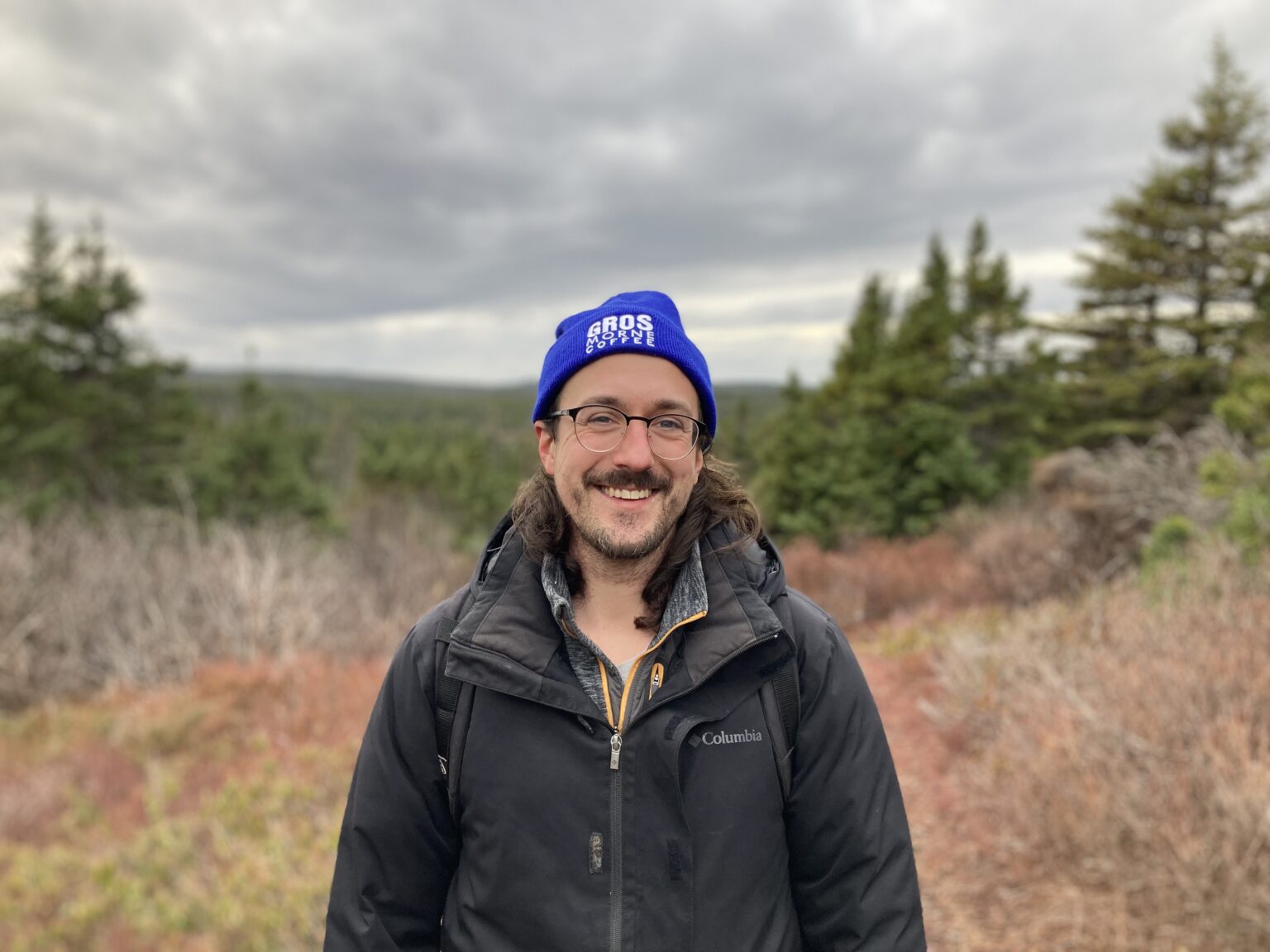
Jordan Lawrence
Team Member
Jordan Lawrence is a MA in Environmental Policy (MAEP) student at Grenfell Campus of Memorial University of Newfoundland. He is currently the Student Lab Coordinator at WATERR Lab and works as a Research Assistant for The Rethinking Project. He is of Mi’kmaw and Settler ancestry. His research interests orbit around small-scale agricultural development policies and sustainable land use.
-
Ciel Murray
Team Member
-
Dr. Erica (Samms) Hurley
Team Member
Dr. Erica (Samms) Hurley is a Mi’kmaq scholar from the west coast of Newfoundland, whose work is grounded in community, advocacy, and Indigenous wellness. She is an Assistant Professor in Memorial University’s Faculty of Nursing with a cross-appointment to both SASS in Humanities at Grenfell Campus and the School of Arctic and Subarctic Studies at the Labrador Campus. She is also an adjunct professor in SEED at the University of Waterloo. She began her career in frontline advocacy with the Native Women’s Association of Canada, championing Indigenous health and well-being. A graduate of Memorial University’s Grenfell Campus (BScN, 2004), she later earned a Master of Nursing and a PhD from the University of Alberta, advancing Mi’kmaq research methodologies. She is the Founder and Director of the WATERR Lab, leading research on Indigenous health, climate action, and community partnerships, and mentoring future generations, through national and international networks.
-
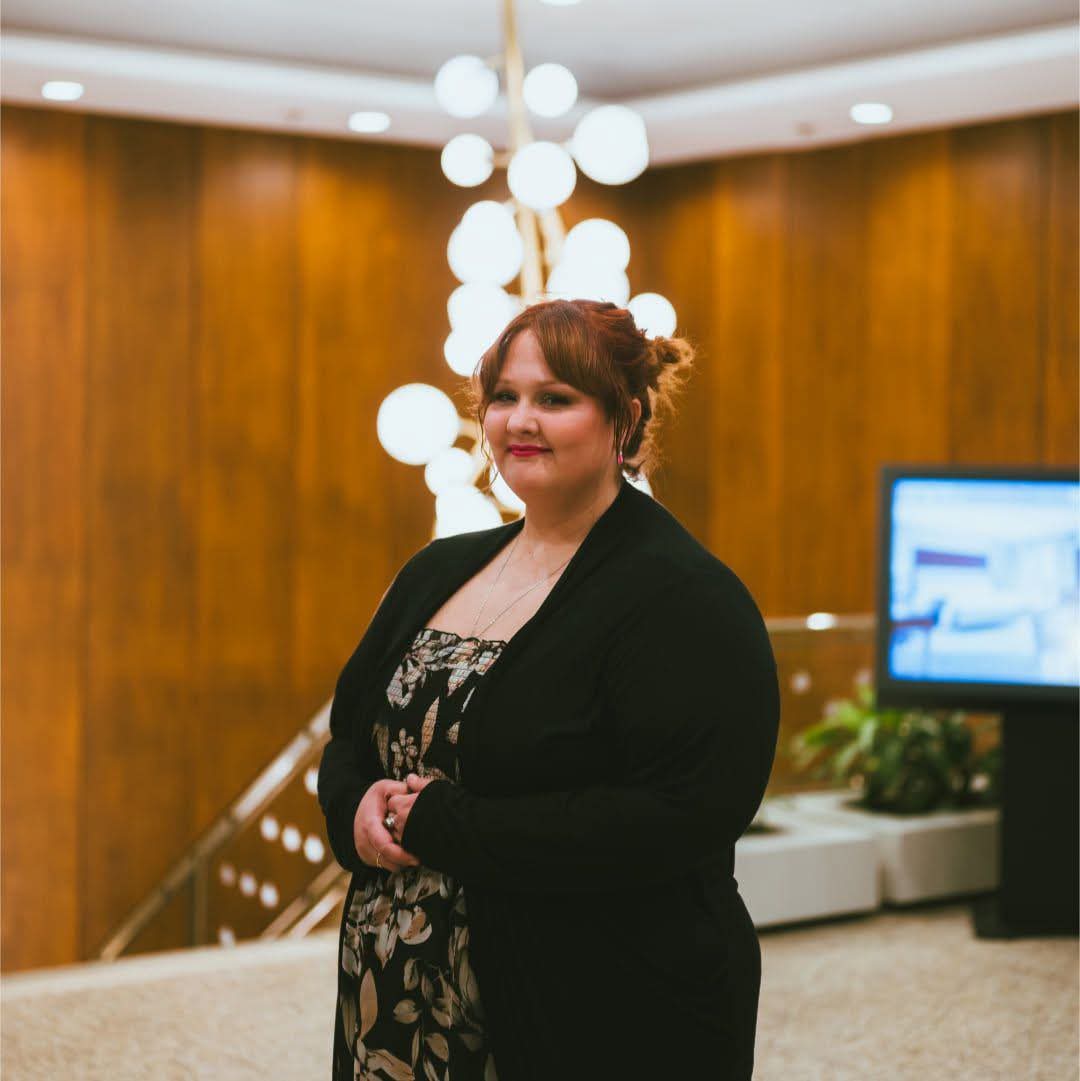
Carly Young
Team Member
My name is Carly Young, and I’m from St. George’s, Newfoundland and Labrador. I am currently completing my Bachelor of Arts in Community Studies through Cape Breton University and throughout my education I’ve discovered a real passion for community development, research, and creating meaningful change. As a proud Mi’kmaw woman, I’ve had the privilege of working alongside Indigenous organizations, Elders, youth, and community members on projects that promote wellness, culture, and stronger connections. These experiences have taught me the importance of listening, building relationships, and ensuring every voice is heard. I’m excited to be part of the Rethinking Transformation research team as a Community Researcher. It’s an opportunity for me to give back to my community while learning from the experiences of others and helping create positive change. I’m grateful to combine my education and love for community in work that is meaningful. I look forward to continuing to grow as a researcher, learning from the experiences of community members, and helping support research that creates stronger, healthier, and more connected communities for future generations.
-
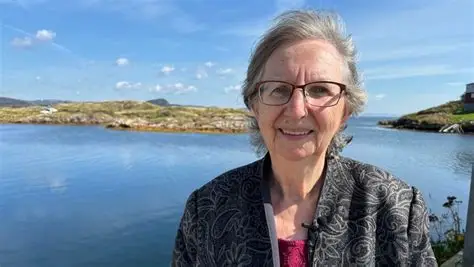
Dr. Barbara Barber
Team Member
Barbara Barter is a respected educator, community leader, and regional advocate dedicated to strengthening rural Newfoundland and Labrador through collaboration, sustainable development, and community engagement. Following a distinguished career in education, she has served in municipal government and has extensive experience in governance, regional planning, and economic development. Barbara is a strong champion of sustainable tourism, marine conservation, and regional partnerships, recognizing their potential to create lasting economic opportunities for coastal communities. While her work has been deeply rooted in the Burgeo–Ramea region, she has consistently promoted collaboration across Western Newfoundland, including connections with Gros Morne and neighbouring communities, to build a stronger, unified tourism economy. Her contributions have been recognized with the Community Service Medal and the King Charles III Commemorative Medal. Barbara brings to the Rethinking Project strategic leadership, governance experience, and a commitment to ensuring tourism supports vibrant communities, protects natural and cultural heritage, and creates sustainable opportunities for future generations.
-
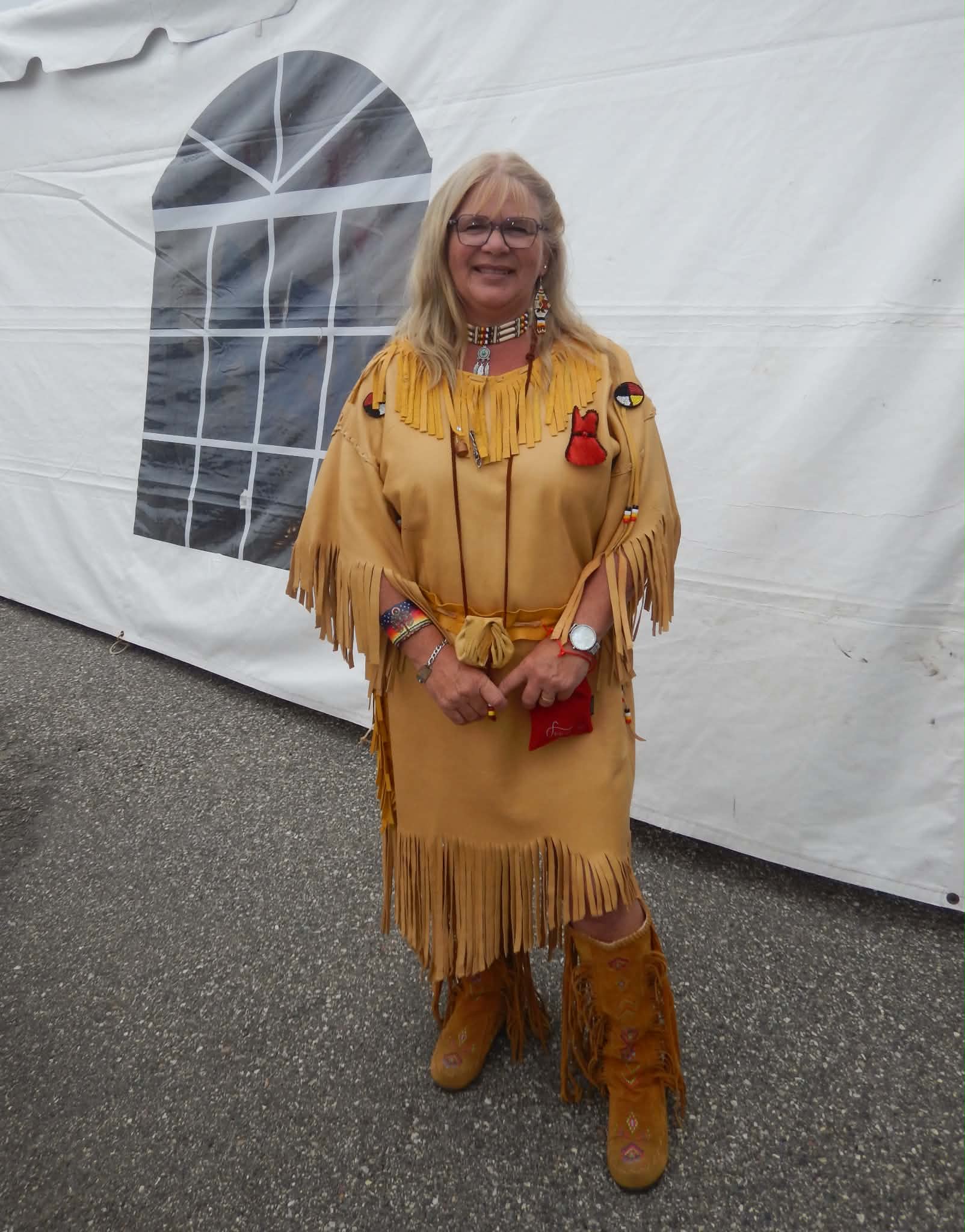
Chief Elaine Ingram
Team Member
Chief Elaine Ingram is a respected Mi’kmaw leader whose dedication to her people and community is reflected in more than a decade of volunteer service, including eight years as Chief of the Burgeo First Nation. Her leadership is grounded in respect, humility, service, and the preservation of Mi’kmaq culture, language, and traditions. A strong advocate for language and cultural revitalization, Chief Ingram has studied Mi’kmaw language, established a women’s hand-drumming group, and taught traditional songs and drumming to approximately twenty women. She has also contributed extensively to the National Marine Conservation Area Steering Committee, helping ensure Indigenous knowledge and stewardship are represented in discussions about protecting the South Coast. Through cultural celebrations, workshops, youth initiatives, language learning, and community partnerships, Chief Ingram has strengthened cultural pride, community connection, reconciliation, and the visibility of the Burgeo First Nation across Newfoundland and Labrador.
-
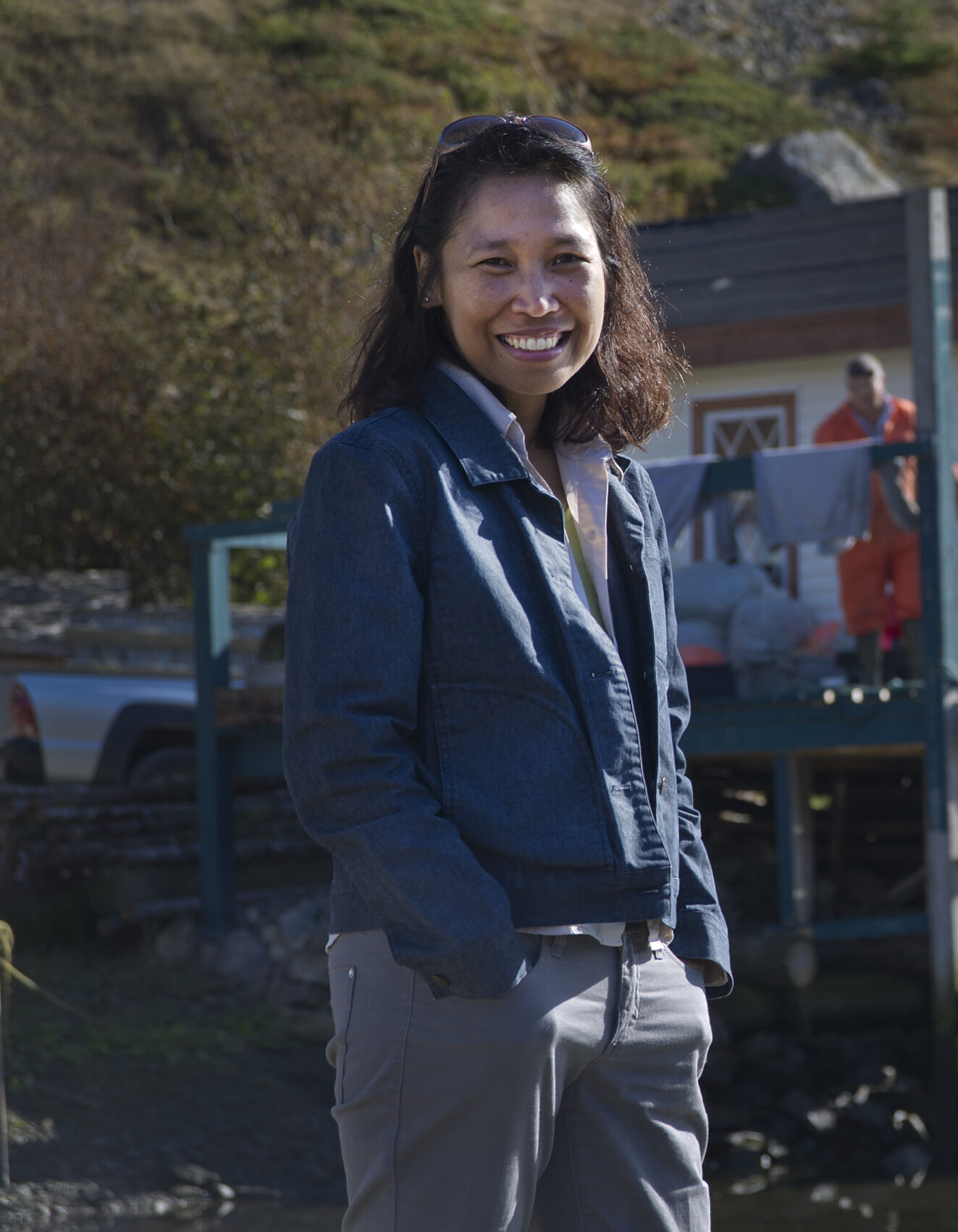
Ratana Chuenpagdee
Team Member
Ratana Chuenpagdee is a University Research Professor in Geography at Memorial University of Newfoundland, in St. John’s. She is leading a global research partnership, Too Big To Ignore (TBTI), which aims at elevating the profile of small-scale fisheries and rectifying their marginalization in national and international policies. As part of this project, she’s coordinating research and activities to support the implementation of the SSF Guidelines and transdisciplinary capacity building for fisheries and ocean governance around the world. Ratana has been involved in the Ocean Frontier Institute, through research on “Informing Governance Responses in a Changing Ocean”, and is currently contributing to the “Rethinking Transformation Project”.
-
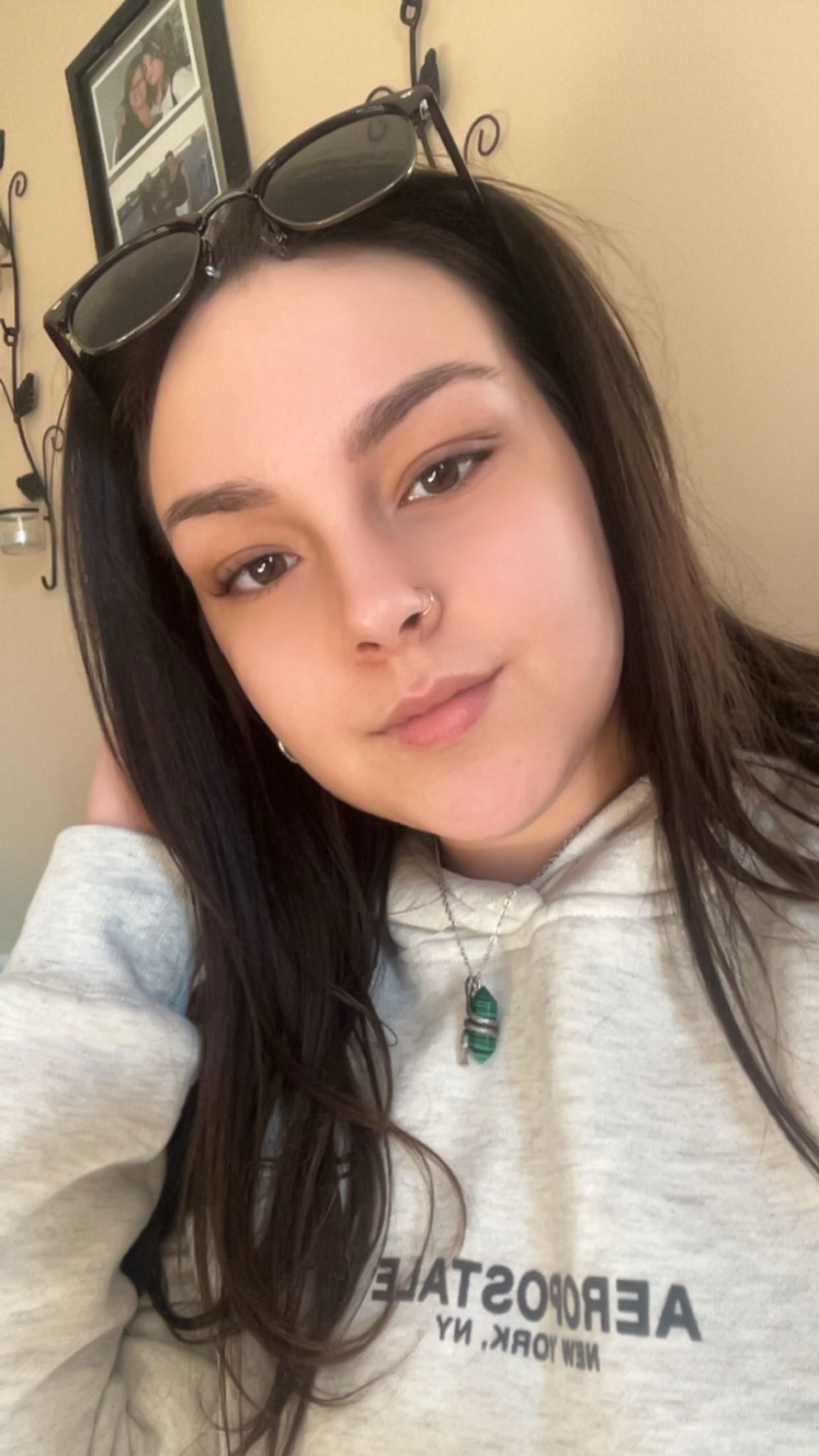
Tanisha Bennett
Team Member
My name is Tanisha Bennett, and I am a proud Mi’kmaw woman from St. George’s, Newfoundland and Labrador. I am a Community Based Researcher with the Rethinking Transformation project, where I collaborate with researchers, community partners, and fellow youth to strengthen relationships and support community-led change. Through this project, I have contributed to community events, youth engagement initiatives, community-based research, and land restoration initiatives while learning through the Web of Relations framework grounded in Mi’kmaw ways of knowing. I value learning from Elders, community members, and my amazing coworkers while sharing my own perspectives and experiences. Being part of the Rethinking Project has strengthened my understanding of reciprocity, collaboration, and relationship-building and continues to inspire me to support initiatives where Indigenous knowledge is honoured, youth voices are valued, and communities thrive together.
-
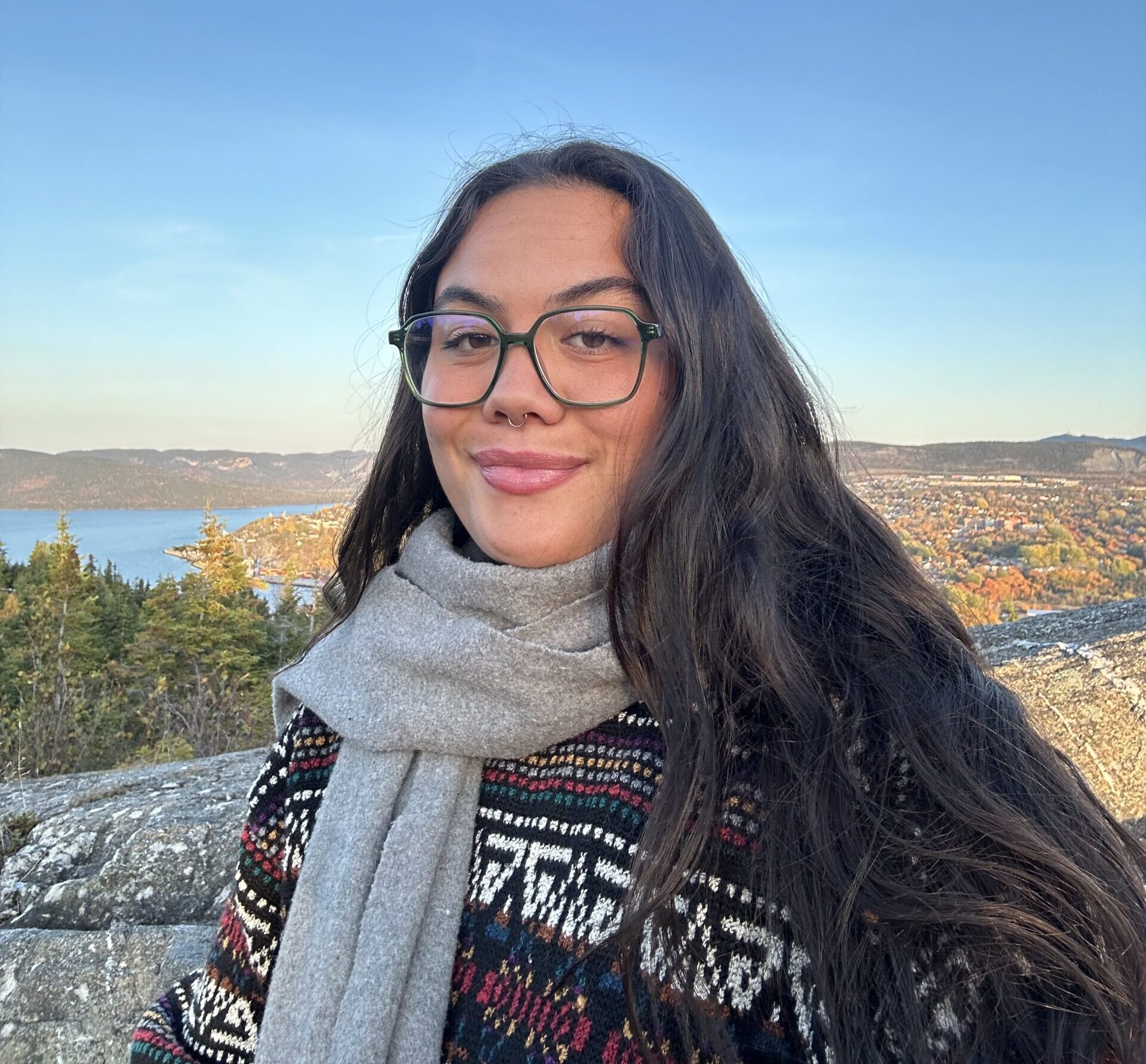
Kaitlin Rizarri
Team Member
Kaitlin Rizarri is a Visayan Filipina and Ktaqmkukewa’j Mi’kmaw doctoral candidate from Elmastukwek in Social Justice Education at OISE, University of Toronto. Raised in Tkarón:to, Treaty 13 Anishinaabe and Haudenosaunee territory, she grew up as a community farmer. Her research draws on Indigenous land education, Black geographic theories, and participatory, community-based approaches. Kaitlin’s research deals with urban farming, berry picking and relationships to lands and waters in relation to future building. She brings this research home through land education and place-based inquiry across rural and urban contexts, with an emphasis on place names, story, and more-than-human relations as teachers. She has developed educational resources for working with seeds and plants within learning and community spaces, including contributions to the Land Education Dreambook. Alongside her academic work, Kaitlin maintains Ate Kay’s Farm, pronounced “ahh-tey,” where she grows, forages, and works with plants that support grief, sleep, and anxiety.
-
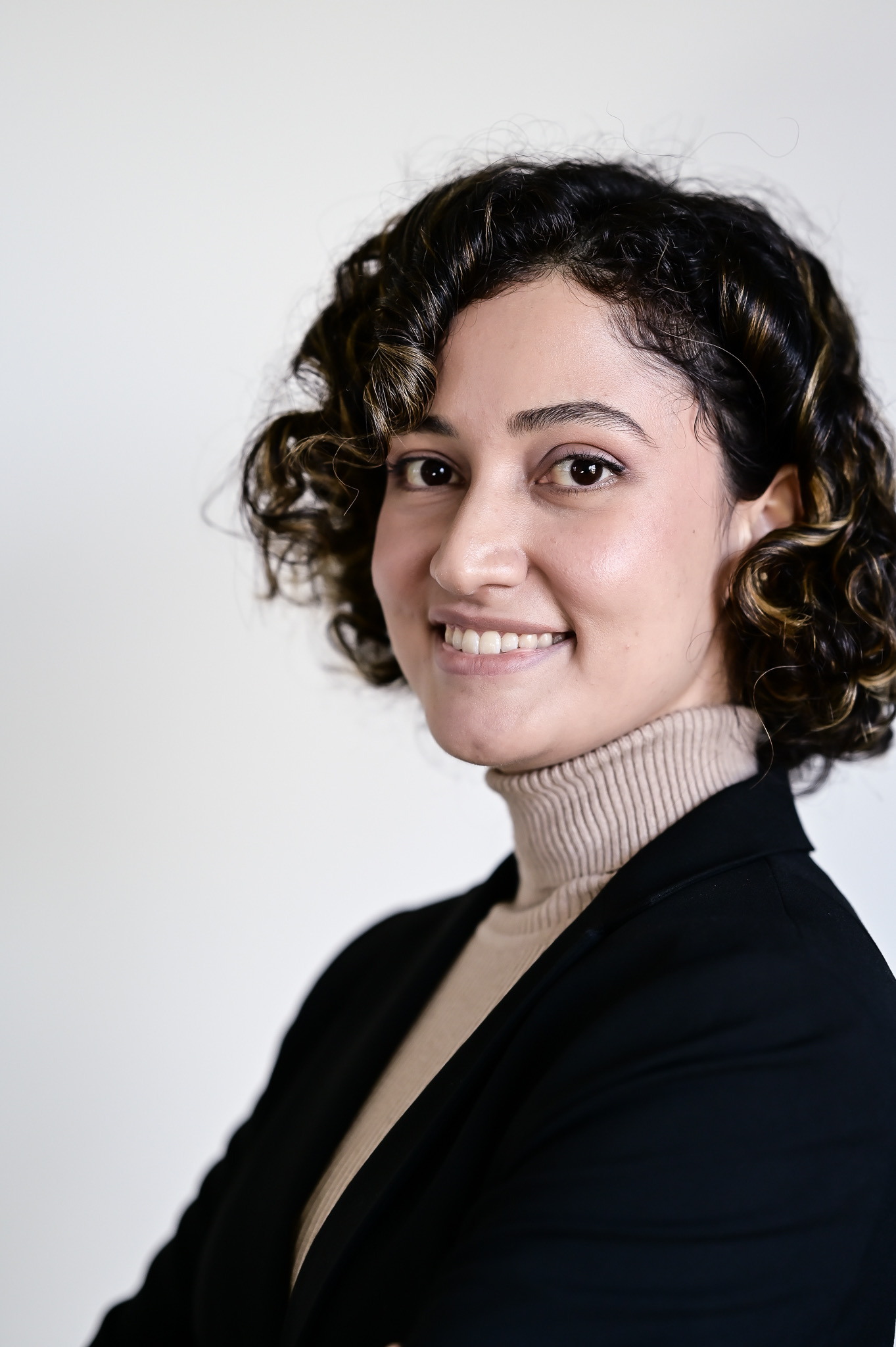
Narges Jalili Kolavani
Research Assistant II
Narges Jalili Kolavani is a Research Assistant II with the Rethinking Transformation Project, where she contributes to the development and delivery of community-led research and programming. Her work includes applied research, project reporting, governance and communications planning, funding proposal and budget development, and engagement with community partners. Her research focuses on marine conservation, aquaculture, marine governance, and sustainable community development, with particular attention to community priorities, local knowledge, and Indigenous perspectives. Drawing on an interdisciplinary background in geography (MSc) and urban development engineering (BSc), Narges applies research, spatial analysis, and geographic information systems (GIS) to support inclusive decision-making, environmental planning, and place-based development.